First help is an important skill that every person should recognize. It encompasses a series of emergency activities to help someone in need before professional clinical aid arrives. Whether it's a minor injury or a deadly condition, recognizing the essentials of first aid can make a crucial distinction. In this short article, we will check out the different elements of first aid, its value, and just how to efficiently gear up oneself with this very useful knowledge.
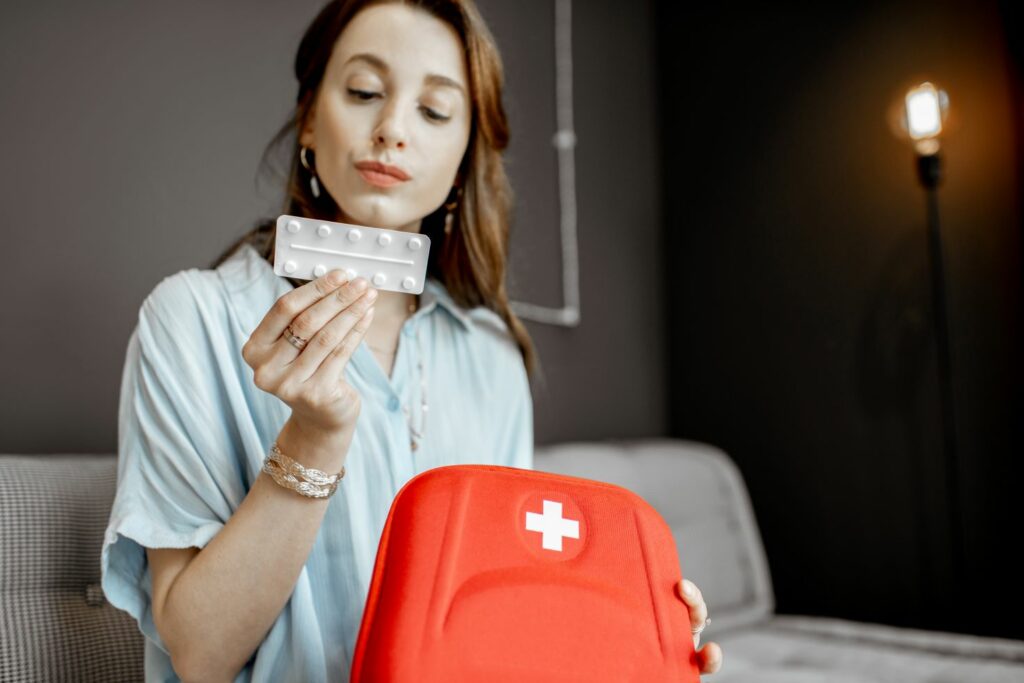
What is First Aid?
First aid refers to the instant, short-lived care provided to someone that is harmed or unexpectedly taken ill. The objective is to maintain life, stop more harm, and promote healing until specialist clinical support can be acquired. Understanding how to offer first aid can not only conserve lives yet likewise decrease healing time for those affected.
The Background and Development of First Aid
The idea of first aid has actually evolved considerably throughout the years. Historically, people relied on fundamental techniques local first aid classes and mythology solutions for injuries and illnesses. Nevertheless, as clinical scientific research progressed, so did our understanding of how ideal to treat emergency situations. The establishment of companies like the Red Cross in 1863 marked a turning point in defining first aid training.
Importance of First Aid in Daily Life
Understanding what first aid requires is important in today's busy globe where accidents can occur at any time. From small cuts and swellings to important circumstances like cardiac arrest, being geared up with basic first aid abilities guarantees that individuals can react effectively.
How First Aid Training Conserves Lives
Taking a first help course can substantially impact not just specific lives yet additionally communities at big. Educated people are more probable to act rapidly and confidently in emergency situations, possibly conserving lives when every second counts.
Key Parts of First Aid
First help consists of several parts designed to address different circumstances:
- Assessment: Examining the circumstance and figuring out the intensity of the injuries. Life Assistance: Supplying basic life support procedures such as cardiopulmonary resuscitation (CPR). Wound Monitoring: Treating cuts, burns, fractures, and other injuries. Emergency Response: Asking for specialist aid when necessary.
DRSABCD: The First Aid Action Plan
The DRSABCD action plan acts as an extensive overview for providing efficient first aid care:
D - Danger: Make sure the scene is safe for you and the victim. R - Response: Inspect if the individual is responsive by asking questions or delicately trembling them. S - Send out for Help: Call emergency situation services if needed. A - Airway: Make certain that the respiratory tract is clear; do head tilt-chin lift if necessary. B - Breathing: Check for regular breathing; if missing, commence CPR. C - CPR: Supply chest compressions and rescue breaths if required. D - Defibrillation: Make Use Of an AED if offered when managing cardiac arrest.Basic Life Support (BLS)
Basic Life Support (BLS) includes techniques such as CPR that are basic in emergency situations including adults, children, or infants who are less competent or otherwise breathing normally.
Understanding CPR
CPR means Cardiopulmonary Resuscitation-- a lifesaving technique beneficial in emergency situations such as cardiac arrest or sinking where a person's breathing or heart beat has actually stopped.
Steps Associated with CPR
Call emergency situation solutions immediately. Begin upper body compressions at a rate of about 100-- 120 compressions per minute. Ensure proper deepness (around 2 inches) while enabling full chest recoil between compressions. After every 30 compressions, offer 2 rescue breaths if trained.The Role of Mental Wellness First Aid
Mental health is equally important as physical health; thus incorporating mental health into first aid https://simoneqsi566.lowescouponn.com/first-aid-courses-explained-what-to-anticipate-and-just-how-to-choose training plays an important role in alternative care.

What Is Mental Health and wellness First Aid?
Mental health and wellness first aid involves providing preliminary assistance to someone experiencing psychological distress-- which might consist of anxiety strikes or self-destructive thoughts-- till professional aid arrives.

Key Skills Shown in Mental Wellness First Aid Courses
- Recognizing indicators of psychological illness Communicating effectively with those distressed Knowing when to speak to professionals
Benefits of Taking a First Aid Course
Participating in a certified first aid course provides countless advantages:
Gain confidence to act throughout emergencies Learn practical abilities applicable throughout different scenarios Obtain certifications identified by employersFinding a First Aid Training Course Near You
With various choices offered including online training courses and hands-on training sessions like HLTAID011 (Give First Aid), it's much easier than ever before to get certified!
List of Popular Courses:
- Basic First Aid Course CPR Accreditation Course Mental Health and wellness First Aid Course
Table: Comparing Different Sorts Of Courses
|Type|Duration|Accreditation Provided|| -------------------------|----------|------------------------------|| Fundamental First Aid|1 Day|Yes|| CPR Certification|4 Hours|Yes|| Advanced First Aid|2 Days|Yes|| Mental Health Recognition|1 Day|Yes|
How Long Does a First Aid Certificate Last?
Typically, most first aid certificates are valid for 3 years; nevertheless, it's advisable to refresh your training with periodic refresher course courses.
FAQs Regarding First Aid
What does CPR stand for?- CPR stands for Cardiopulmonary Resuscitation-- a lifesaving treatment utilized during emergency situations like heart arrest.
- You can search online making use of terms like "first aid training course near me" or examine neighborhood recreation center and medical facilities providing courses.
- Absolutely! Numerous companies offer comprehensive on-line modules that enable you to find out at your very own rate while still getting certification upon completion.
- When in doubt, it's constantly far better to err on the side of caution-- call emergency services!
- Yes! Several programs provide especially to children educating them age-appropriate feedbacks to emergencies.
- Yes! Different certifications exist based upon details requirements varying from general first aid training courses to specialized ones such as psychological wellness first aid and childcare-specific courses.
Conclusion
In verdict, understanding what makes up first aid and its value can not be overemphasized-- it's an essential skill set everyone needs to possess despite their profession or lifestyle! Taking part in training programs like a basic life assistance program or psychological wellness recognition can equip people not simply with knowledge but additionally self-confidence during defining moments when they're needed most.
By acquainting yourself with principles like DRSABCD and recognizing how much time your accreditation lasts ensures you're always prepared! So why wait any longer? Do something about it today-- enroll in that firstaidpro course near you!
This write-up covers several aspects surrounding What is First Aid? Recognizing Its Value in Daily Life From historic insights right into its evolution with sensible applications today-- being educated means being prepared!